
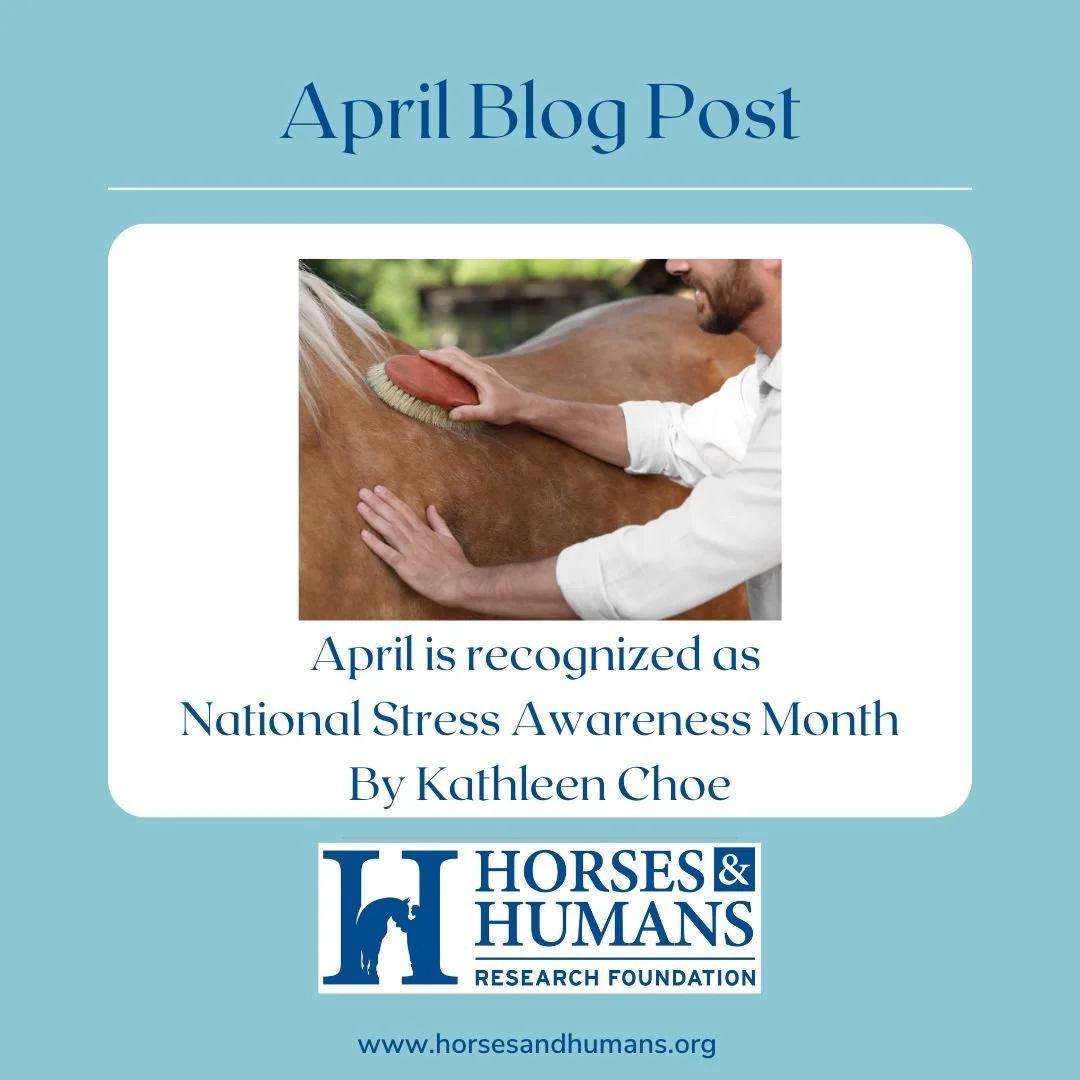
April is recognized as National Stress Awareness Month to bring attention to the negative impact of stress on our health and well-being. Learning to manage stress is an essential skill set in order to maintain optimal mental, emotional and physical health. When I work with clients in my counseling practice, stress management is one of the “Four Pillars of Health” I address with them (the other three are sleep hygiene, nutrition, and movement). We assess their level of functioning in each area and then make a plan to address any deficits to improve and stabilize their sense of overall wellness and resilience.
Interestingly, the word “stress” is actually a contraction of two other terms: “eustress” and “distress.” Eustress is actually considered a positive form of stress, as it is just the right amount of pressure to motivate us to pursue our goals and get important tasks done. This level of tension feels manageable and provides the optimal amount of stimulation rather than feeling overwhelming and debilitating. Without eustress, many of us might struggle to get out of bed in the morning to make it to work on time, or pay our taxes, or exercise or study for exams, for example.
Distress is a state of severe physical, psychological and/or emotional pain that overwhelms our ability to cope and causes intense anxiety and fear. It involves a reaction to a situation that feels threatening or destabilizing to someone. Common reactions may include disbelief, shock, numbness, anxiety, sadness, feelings of helplessness, frustration, difficulty concentrating, forgetfulness, and physical symptoms like stomach upset, loss or increase of appetite, insomnia, headaches, general muscle tension and constipation or diarrhea. Attempted coping strategies that complicate the picture may include an increasing reliance on cigarettes, alcohol, substances or “comfort foods” with high concentrations of fat, sugar and/or salt to soothe or numb the spike in anxiety being experienced.
Prolonged periods of stress can put people at risk for serious health complications like heart disease, hypertension and stroke, as well as depression and suicidality. Under stress, the body releases specific hormones including cortisol and adrenaline that lead to an increase in heart rate, blood pressure and glucose levels to mobilize the body for action to deal with the emergency. When the crisis begins to resolve, these chemicals naturally subside and balance is restored in our neurotransmitters. The danger with chronic stress is that these chemicals continue to flood our system, keeping us fixed in a hyper-aroused and ultimately corrosive nervous system state.
While animals such as horses secrete similar chemicals in their bodies under stress, if they are free to react to the stressor in accordance with their natural disposition, they are generally able to complete the stress response cycle and restore balance in their nervous system in a relatively short period of time. Unless they are confined or restricted in some way, horses will typically resort to a flight response when they perceive a threat to their safety in their environment. They neither suppress this natural reaction, nor do they hold onto a sense of fear or anxiety once they have established a safe distance from the stressor. Horses are not worried about offending or upsetting others around them when they are upset. They do what is required to protect themselves, then literally “shake it off” by yawning, licking and chewing, snorting, rolling, stamping their hooves, shuddering, or a combination of these behaviors to release the stress response from their bodies. They don’t feel self-conscious about running away or moving their bodies in the way that feels right to them, and don’t ruminate on the scary event or evaluate how they responded or think about what they could do differently next time in a self-critical or shaming way, as people often do. Horses simply move on with their day!
We can learn a great deal about managing stress in our own lives from spending time with horses.
Researchers found that varied populations such as veterans and other individuals diagnosed with PTSD, at-risk youth, victims of sexual violence, and children who have been neglected all report less perceived stress and have lowered physiological markers of distress after spending time with horses in a therapeutic setting. The horses’ natural ability to express ongoing positive regard and empathy in their communication with clients in a congruent and unselfconscious manner was one of the factors highlighted in the study as being key to the positive benefits of interacting with equines.[1]
As Winston Churchill so famously stated: “There is nothing better for the inside of a man, than the outside of a horse.”
There are many stress-inducing developments happening around us in the world at present. Now, more than ever, we need access to the helpful and healing benefits spending time in nature in general and with horses in particular can provide. This is one of the many reasons HHRF works so diligently to raise funds to support ongoing rigorous, high-quality research in the field of Equine Assisted Services. We know horses and humans can help each other. Please consider how you can help us continue to demonstrate this important truth to others that need to understand and benefit from this truth!
[1] Nieforth, L.O, & Craig, E.A. (2021). Patient-Centered Communication in Equine Assisted Mental Health. Health Communication, 36(13), 1656–1665.